If you have expensive electronics or just electronics that you don’t want to get ruined, you need to make sure that you know how to best protect these items. While you can put protective cases on your devices just like you can with protective coatings on HVAC systems and other cooling equipment, there are many others things that you can do to best protect your electronics devices, too,
To help you learn just what can be done, here are three ways to better protect your electronics.
Be Prepared For Accidents
In many cases, accidents are what cause a lot of damage to electronic devices. And because you can’t always make sure that accidents are avoided, as they usually happen by surprise, what you can do is make sure that you and your electronics are prepared in the event that an accident does take place.

To do this, you’ll want to use things like protective cases and screen protectors on your devices. Regardless of the size of the device and the type of screen you have, you can find cases and protectors that will serve to keep your electronic device from sustaining physical damage. And if you use your electronic device anywhere near the water, you’ll want to make sure that the case you choose will help to protect your device from water, too.
Keep Your Items Physically Secure
Because many electronic devices are expensive, they are often sought after by people looking to steal other’s property. Knowing this, you should make sure that you do your best to keep your electronics physically secured at all times.

There are lots of ways that you can do this. If you are taking your device around with you, you should keep it in a carry case that doesn’t draw attention to it and can’t easily be seen through the case. You should also make sure that you don’t just leave your electronics sitting around in public without being close by to keep an eye on them.
Use Stronger Passwords And Password Hygiene
In the event that someone does gain physical access to your electronic devices, you don’t want them to be able to access the device for use or to see what files you might have saved there. So to protect your electronics in this way, you’ll want to have strong passwords that protect your devices.
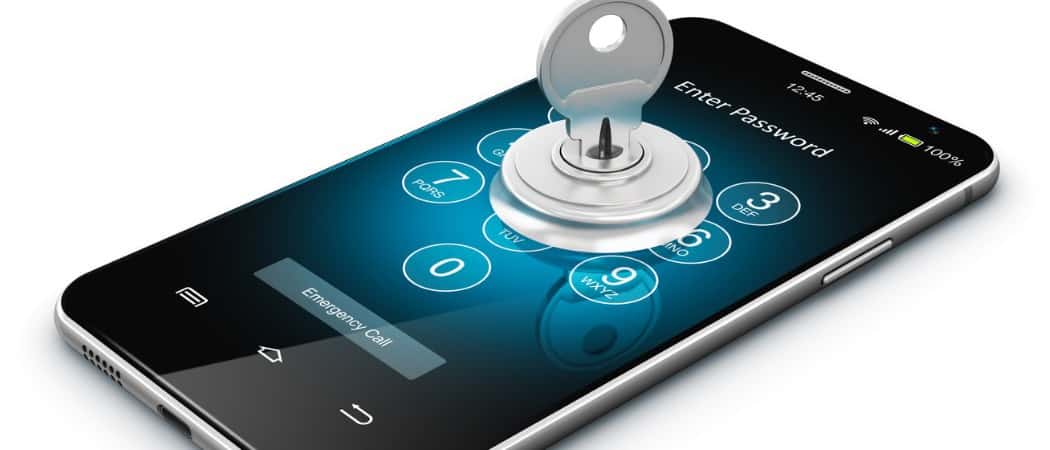
Ideally, you shouldn’t create passwords that could be easily guessed by someone who knows you. This means not using words or numbers that hold particular relevance to you. Rather, you should choose passwords that are random and contain a variety of letters, numbers, and symbols. You should also change your passwords on a regular basis. Additionally, you can check out cyber security apps.
If you want to feel more confident in how protected your electronic devices are, consider implementing the tips mentioned above.